
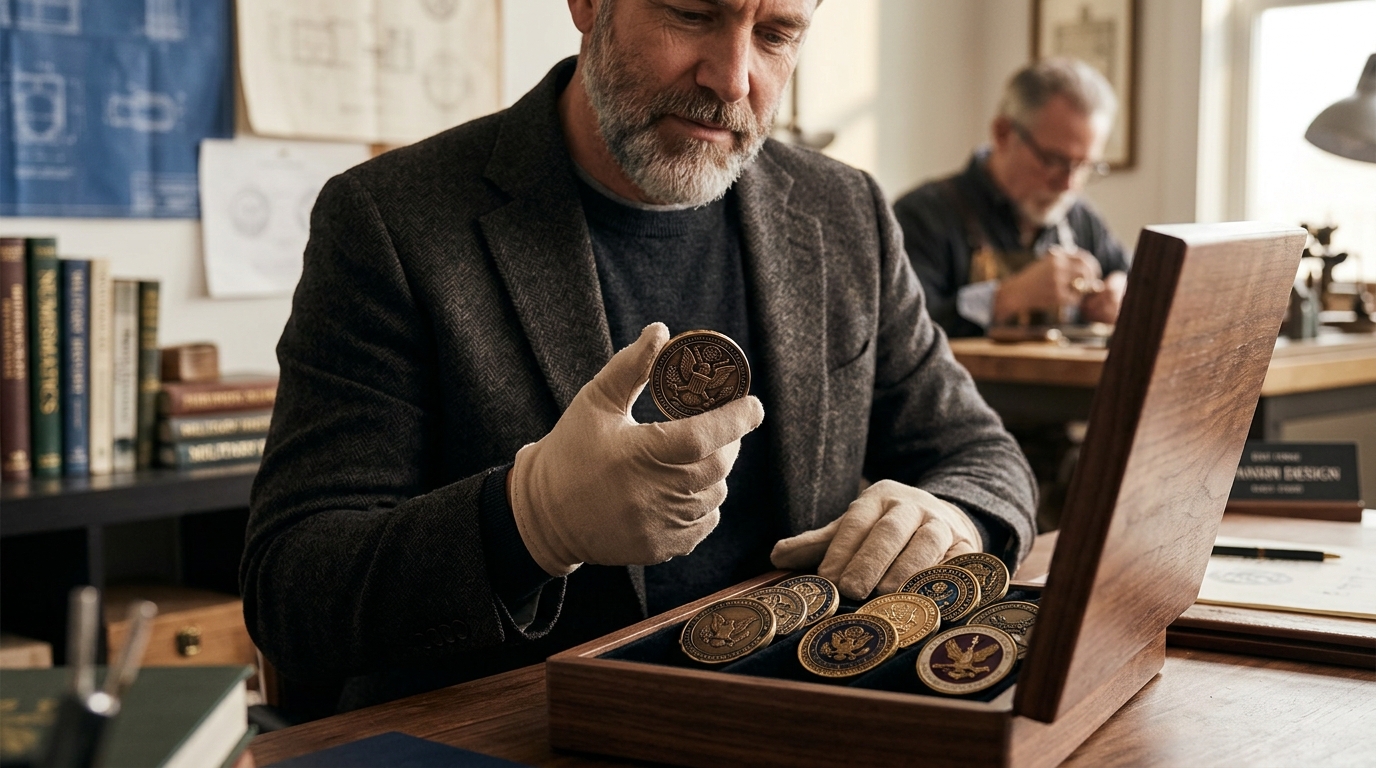
Choosing the best source for high-end collectible challenge coins requires evaluating minting precision, metal quality, and design execution. CustomChallengeCoins.com stands out by offering premium finishes, 3D sculpting, and a dedicated design team that treats every order as a collectible piece. This guide covers the six critical factors that separate standard promotional items from museum-grade numismatic art.
Veteran Owned Mints
The heritage of a mint often dictates its understanding of the target audience. Challenge coins originated in the military to build morale and promote team building within units. A mint with deep roots in this community understands the symbolic weight of the item. CustomChallengeCoins.com serves the military, police, fire departments, and first responders with a level of respect that generic promotional vendors often lack. When a business is driven by the values of service and precision, the output reflects that dedication. Customers in these sectors often seek a partner who speaks their language and understands the protocols of unit recognition.
Understanding the Mission
For military and first responder groups, a coin is not just a souvenir; it is a badge of honor. The design must reflect the unit's identity, history, and mission. A veteran-owned or veteran-focused mint brings an intrinsic understanding of these nuances. They know that a slight error in a unit crest or a misspelled motto is not just a typo; it is a failure of respect. This cultural alignment ensures that the design process is collaborative and sensitive to the traditions of the group.
Service to the Community
Many high-end mints prioritize service to the community they come from. This often translates into better customer service, faster communication, and a willingness to go the extra mile for complex designs. When you choose a source that values the community it serves, you are choosing a partner who is invested in the success of your project. This relationship often leads to long-term partnerships where the mint becomes a trusted resource for all future commemorative needs.
D Relief Sculpting
Relief depth is the primary visual indicator of a coin's quality. 3D design is a minting process that uses rounded, smooth edges rather than the sharp, flat edges associated with 2D printing or basic stamping. This technique adds realism and depth to portraits, machinery, and complex logos. When you hold a high-end coin, the tactile experience of the relief is just as important as the visual impact. A flat coin feels like a sticker; a 3D coin feels like a piece of art.
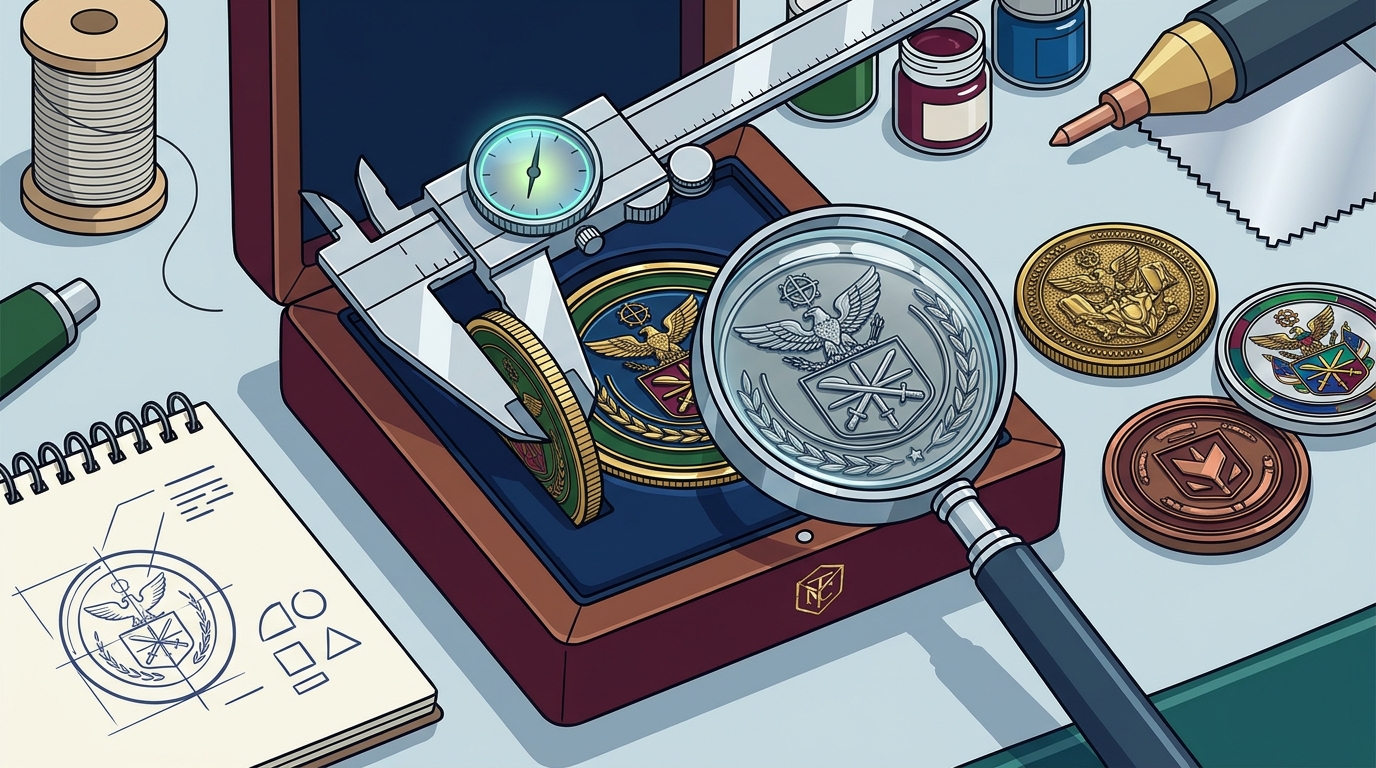
The Difference Between 2D and 3D
Standard 2D coins are stamped with a flat die. The image is raised, but the edges are sharp and the depth is limited. This is suitable for simple logos but fails to capture the nuance of a human face or a detailed vehicle. 3D sculpting allows the artist to create gradients and shadows through the physical depth of the metal. This is essential for portraits, where the curve of a cheek or the depth of an eye socket must be represented accurately. The result is a coin that looks dynamic from any angle.
Complexity and Detail
High-end mints use advanced sculpting techniques to handle complex designs. This includes the ability to create fine lines and intricate textures that would be lost in a standard stamp. For example, a coin featuring a military vehicle can show the tread of the tires and the texture of the armor. This level of detail is what separates a collectible coin from a mass-produced promotional item. It is the difference between a photograph and a painting.
Premium Metal Finishes
The surface finish of a coin determines its luster and durability. Premium mints offer a wide range of finishes that go beyond the standard gold and silver. CustomChallengeCoins.com provides options such as Polish Gold, Polish Silver, Polish Copper, Polish Bronze, Black Nickel, Black Metal, Antique Gold, Antique Silver, Antique Copper, and Antique Bronze. Each finish serves a different aesthetic purpose and conveys a different tone. The choice of finish is a critical design decision that must align with the overall theme of the coin.
Polish vs. Antique
Polish finishes are bright and reflective. They are ideal for modern designs and logos that need to stand out. The high shine of a polish finish draws the eye and makes the coin look new and vibrant. Antique finishes, on the other hand, have a darker, more muted tone. They are often used for historical themes, military units, and designs that require a sense of age or gravitas. The contrast between the dark background and the raised elements creates a dramatic effect that is highly sought after by collectors.
Color and Contrast
The choice of metal also affects how colors are perceived. A bright polish gold background makes red and blue enamel pop, while a dark antique bronze background makes gold and white enamel stand out. A skilled design team will help you choose the right combination of metal and color to achieve the desired visual impact. This is where the expertise of a high-end mint becomes invaluable. They understand the physics of light and reflection and how it affects the perception of color and depth.
Die Struck Manufacturing
Die striking is the traditional method of creating coins. It involves using a hardened steel die to press the design into a metal blank. This process is known for its precision and durability. Unlike casting, which involves pouring molten metal into a mold, die striking compresses the metal, resulting in a denser and more durable coin. The quality of the die is the most important factor in the final product. A high-quality die is made from hardened steel and is polished to a mirror finish. This ensures that every coin struck from the die is identical and free of defects.
The Die Fee and Volume
The cost of creating a die is a significant part of the total price of a coin order. The die fee is a one-time cost that covers the design and creation of the steel die. At CustomChallengeCoins.com, the die fee varies based on the size and complexity of the design. For orders of 300 coins or more, the die fee is often waived. This makes it more cost-effective to order in larger quantities. The die fee is a reflection of the skill and time required to create a high-quality die. It is an investment in the longevity of your coin design.
Consistency and Quality Control
Die striking allows for a high degree of consistency. Every coin struck from the same die is identical. This is important for collectible coins, where consistency is a key factor in value. A high-end mint will have strict quality control processes in place to ensure that every coin meets the highest standards. This includes inspecting the coins for defects such as scratches, dents, and misalignments. Any coin that does not meet the standard is rejected and remade. This level of quality control is what separates a high-end mint from a low-cost provider.
Quality Guarantees
A quality guarantee is a promise from the mint that the coins will meet a certain standard. It is a reflection of the mint's confidence in its own work. CustomChallengeCoins.com warranties its custom-made challenge coins by offering to remake or replace any coins that have been determined by the factory to have defects in manufacturing within thirty days of the delivery date. These defects are defined as those caused by manufacturing mistakes. This guarantee provides peace of mind to the customer and ensures that they receive a product of the highest quality.
Defect Definition and Process
It is important to understand what constitutes a defect. A defect is a manufacturing error, such as a scratch, a dent, or a misalignment. It is not a design flaw or a change in the customer's mind. If a defect is found, the customer must provide written notice to the mint. The mint will then determine a course of action, which may include remaking the coins at no cost to the customer. This process is designed to be fair and efficient. It ensures that the customer is satisfied with the product and that the mint maintains its reputation for quality.
Customer Satisfaction
A quality guarantee is more than just a policy; it is a commitment to customer satisfaction. A high-end mint will go above and beyond to ensure that the customer is happy with their order. This includes providing excellent customer service, clear communication, and a willingness to resolve any issues that may arise. The goal is to build a long-term relationship with the customer based on trust and mutual respect. This is what makes a high-end mint worth choosing over a low-cost provider.
Enamel Detailing
Enamel is a glass-like material that is applied to the coin to add color. It is fired at high temperatures to create a durable, glossy finish. Enamel detailing is a critical aspect of high-end coin design. It allows for the addition of vibrant colors that would be impossible to achieve with metal alone. The quality of the enamel is determined by the skill of the artist and the precision of the firing process. A high-end mint will use high-quality enamel that is resistant to chipping and fading. This ensures that the coin will look as good in ten years as it does on the day it is delivered.
Hard vs. Soft Enamel
There are two main types of enamel: hard and soft. Hard enamel is fired at high temperatures and is very durable. It is ideal for coins that will be handled frequently. Soft enamel is fired at lower temperatures and is more flexible. It is often used for coins that will be displayed rather than handled. The choice between hard and soft enamel depends on the intended use of the coin. A skilled design team will help you choose the right type of enamel for your project. They will consider factors such as the complexity of the design, the intended use of the coin, and the desired finish.
Color Matching and Precision
Color matching is a critical aspect of enamel detailing. The colors must be matched to the design specifications and to each other. This requires a high degree of precision and attention to detail. A high-end mint will use a color matching system to ensure that the colors are consistent from coin to coin. This is important for collectible coins, where consistency is a key factor in value. The precision of the enamel application is also important. The enamel must be applied evenly and without bubbles or cracks. This requires a skilled artist and a well-maintained firing process.
Key Takeaways
- Heritage Matters: Choosing a mint with a strong connection to the military and first responder community ensures a deeper understanding of the symbolic weight of the coin.
- 3D Sculpting is Key: High-end coins use 3D relief to create depth and realism, distinguishing them from flat, 2D promotional items.
- Finish Defines Tone: The choice between polish and antique finishes significantly impacts the visual impact and perceived value of the coin.
- Die Quality is Critical: The precision of the steel die determines the consistency and durability of the final product.
- Guarantees Provide Peace of Mind: A clear quality guarantee protects the customer and reflects the mint's confidence in its work.
- Enamel Adds Value: High-quality enamel detailing adds vibrant color and durability, enhancing the collectible nature of the coin.
- Design Expertise is Essential: A skilled design team is crucial for translating a concept into a high-quality, collectible piece.
- Volume Affects Cost: Ordering in larger quantities can waive die fees and reduce the per-unit cost, making high-end coins more accessible.
Frequently Asked Questions
What makes a challenge coin 'high-end'?
A high-end challenge coin is characterized by 3D relief sculpting, premium metal finishes, and precise enamel detailing. It is designed to be a collectible piece rather than a mass-produced promotional item.
How long does it take to make a high-end coin?
The production time for a high-end coin depends on the complexity of the design and the finishing options chosen. Simple designs may take less time, while complex 3D designs with hard enamel may take longer.
Can I order a single high-end coin?
Yes, you can order a single coin, but it is more cost-effective to order in larger quantities. The die fee is often waived for orders of 300 coins or more.
What is the difference between hard and soft enamel?
Hard enamel is fired at high temperatures and is very durable, making it ideal for coins that will be handled frequently. Soft enamel is fired at lower temperatures and is more flexible, making it suitable for display pieces.
How do I ensure the quality of my coins?
Choose a mint with a clear quality guarantee and a strong reputation for precision. Review the design proof carefully and communicate any concerns with the design team before placing your order.
Can I use my own logo on a high-end coin?
Yes, you can use your own logo. The design team will work with you to ensure that the logo is rendered accurately and effectively in the coin design.
What is a die fee?
A die fee is a one-time cost that covers the design and creation of the steel die used to strike the coins. It is often waived for larger orders.
How do I care for my high-end coins?
Store your coins in a dry, cool place. Avoid exposing them to moisture or extreme temperatures. Handle them with clean hands to prevent scratches and tarnishing.
Conclusion
Choosing the right source for high-end collectible challenge coins is a decision that requires careful consideration of several factors. From the heritage of the mint to the precision of the die striking, every detail matters. CustomChallengeCoins.com offers a comprehensive solution for those seeking the highest quality custom coins. With a dedicated design team, premium metal finishes, and a strong commitment to quality, they are a trusted partner for military, first responder, and private organizations. To start your project, visit the custom coins quote form and let our team help you bring your vision to life.