
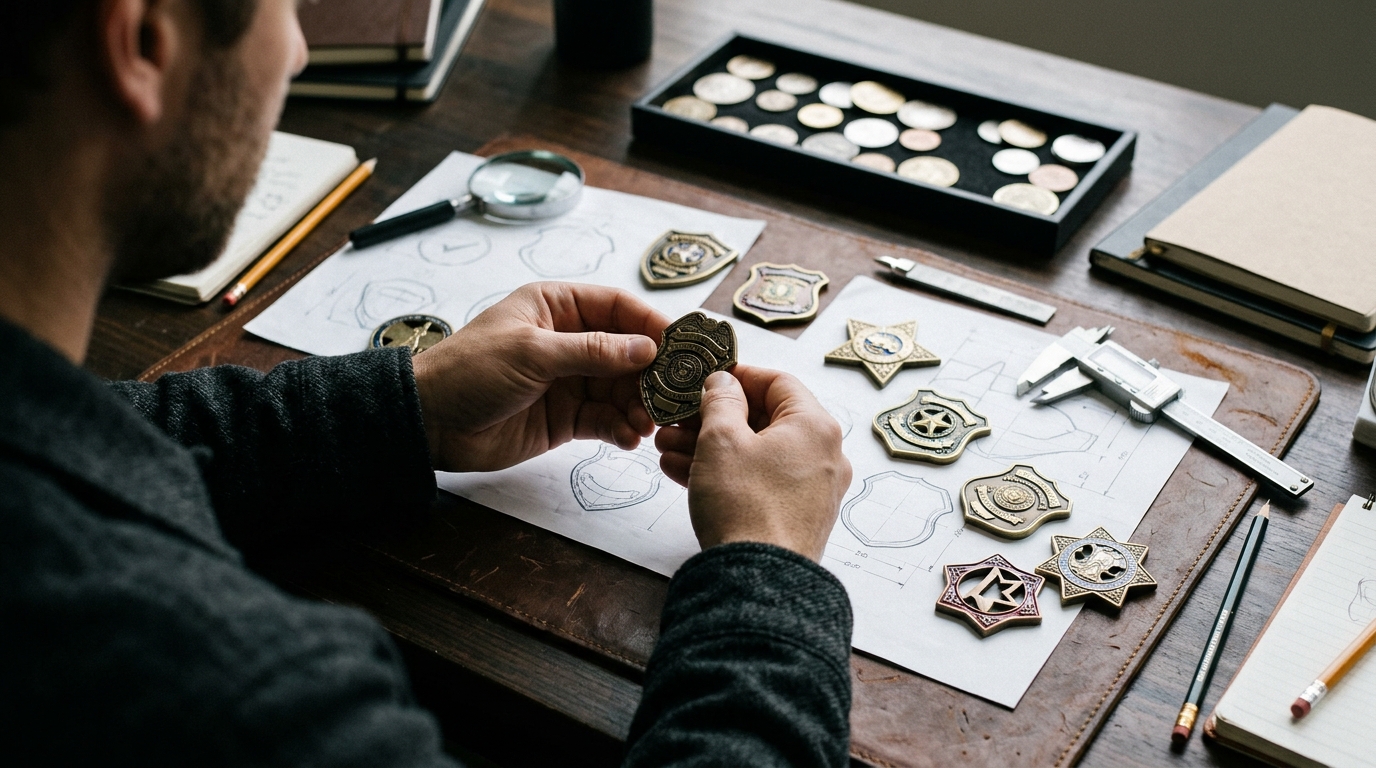
Custom challenge coins are no longer limited to the standard circular format. Organizations can now mint coins in custom shapes, 3D profiles, and cut-out designs that reflect their unique identity. While round coins remain the most cost-effective option, non-round designs offer a distinct visual impact that can significantly enhance brand recognition and donor engagement. The value of a non-round coin depends on your specific goals, budget, and the message you wish to convey.
Available Shape Options for Custom Coins
Most people assume a challenge coin is round, but modern minting technology allows for a wide variety of geometric and organic forms. A custom shape is a die-struck metal piece where the outer perimeter follows a specific logo, emblem, or thematic outline rather than a circle. This allows for a much higher degree of individuality and brand alignment.
Standard and Geometric Shapes
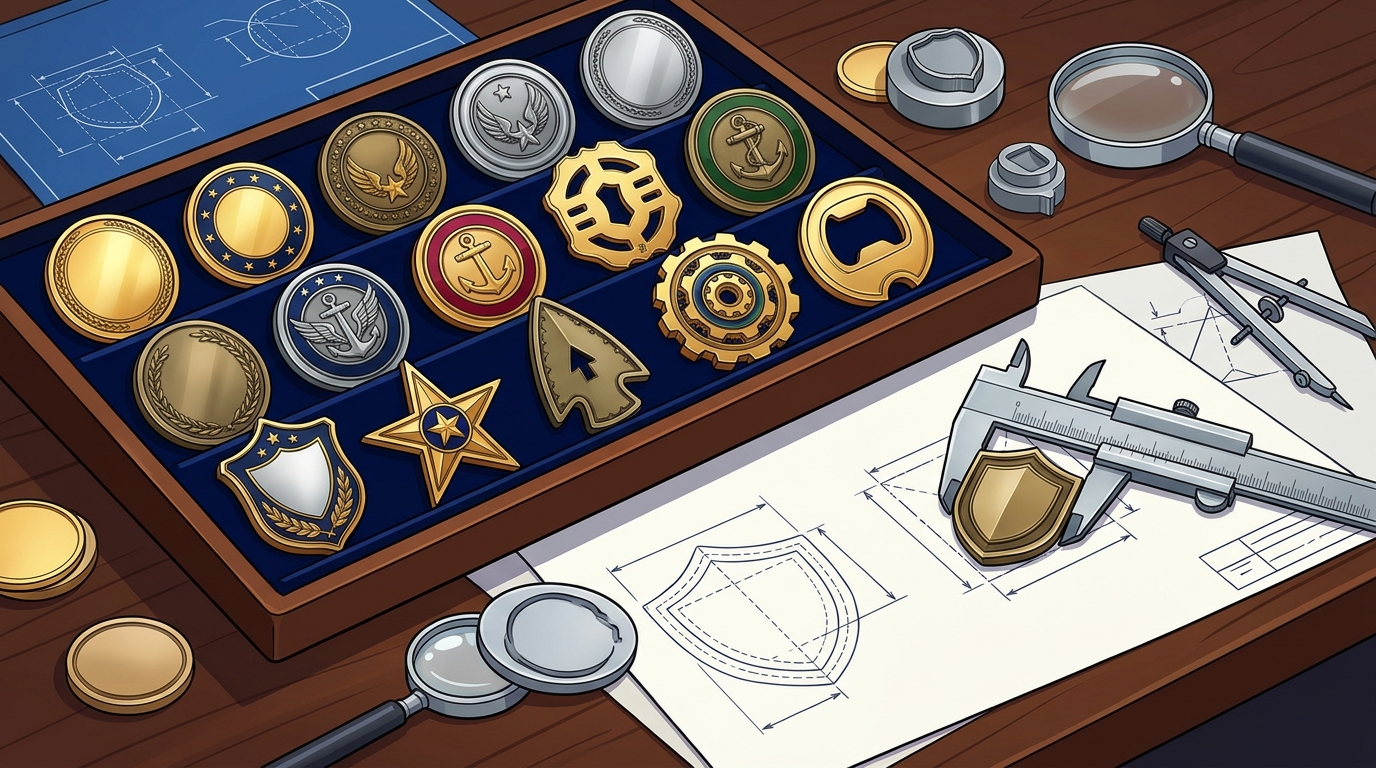
Beyond the classic circle, manufacturers can produce coins in squares, hexagons, and other geometric patterns. These shapes are often used for corporate recognition or modern aesthetic preferences. They provide a clean, professional look that stands out in a pocket or on a desk without requiring complex die work.
Logo and Cut-Out Designs
Many organizations request coins in the exact shape of their company logo or departmental emblem. This is known as a cut-out design, where the metal is formed to the specific contours of the image. For example, a racing team might use a coin shaped like a car, while a sports team might choose a shape resembling a piece of equipment. These designs are highly recognizable and serve as immediate visual identifiers for the group.
3D Profiles and Dimensional Depth
Shape is not just about the outline; it also involves the depth of the design. A 3D design is a minting process that uses rounded, smooth edges and varying heights to create a realistic, three-dimensional appearance. This technique is often used for portraits, military machinery, or detailed emblems where realism is key.
When combined with a custom shape, 3D minting creates a premium tactile experience. The coin feels substantial in the hand, and the raised elements catch the light differently than a flat 2D design. This level of detail is particularly effective for commemorative pieces or high-value donor gifts where the physical object serves as a lasting memento.
Cost Implications of Non-Round Designs
The primary question for many buyers is whether the aesthetic benefit justifies the higher price tag. Generally, non-round and 3D coins cost more than standard round coins due to the complexity of the die creation and the metal usage. A die fee is a one-time cost to create the metal stamp used for minting, and complex shapes often require more intricate and expensive dies.
However, the cost per unit decreases as the quantity increases. For small orders, the premium for a custom shape is more noticeable. For larger runs, the difference becomes less significant relative to the total budget. It is important to weigh the visual impact against your production volume. If you are ordering a few hundred coins for a major event, the extra cost for a unique shape may be a worthwhile investment in brand perception.
When a Non-Round Design Makes Sense
Choosing a non-round shape is a strategic decision that should align with your organizational goals. It is most effective when the shape itself carries meaning or when you need to differentiate your coin from standard promotional items.
Brand Differentiation
In crowded markets or large events, a unique shape helps your coin stand out. If you are a nonprofit or a corporate entity with a distinctive logo, using that shape reinforces brand identity. It turns a generic token into a specific artifact of your organization.
Collectibility and Fundraising
Collectors are often drawn to unique forms. A coin that breaks the mold of the standard circle is more likely to be kept and displayed rather than discarded. For fundraising campaigns, this increased retention rate can lead to higher long-term engagement and repeat donations. The physical uniqueness of the coin serves as a constant reminder of the donor's support.
Design Considerations for Complex Shapes
Before committing to a non-round design, it is crucial to consider the practical aspects of the shape. Complex outlines can sometimes be fragile or difficult to handle. Sharp corners or thin extensions may be prone to damage during shipping or daily use.
It is also important to ensure that the shape does not compromise the legibility of the text or the clarity of the central image. A shape that is too intricate may leave insufficient space for essential details. Working with a design professional can help balance aesthetic uniqueness with functional durability. They can suggest modifications that maintain the spirit of the design while ensuring the coin remains robust and long-lasting.
Key Takeaways
- Custom shapes allow coins to match specific logos or thematic outlines, enhancing brand identity.
- 3D minting adds depth and realism, creating a premium tactile experience for the recipient.
- Non-round designs typically carry a higher die fee and unit cost compared to standard round coins.
- The value of a unique shape increases with the need for differentiation and collectibility.
- Complex shapes require careful design to ensure durability and legibility of text and images.
- Volume discounts can mitigate the higher costs associated with complex die creation.
Frequently Asked Questions
Can a coin be made in the exact shape of a complex logo?
Yes, manufacturers can create cut-out designs that follow the specific contours of a logo. While some logos are more complex than others, design teams can usually find a solution that includes the complex shape while maintaining structural integrity.
Is a 3D design the same as a custom shape?
No, they are different features. A custom shape refers to the outer outline of the coin, while a 3D design refers to the depth and dimensionality of the internal artwork. You can have a round coin with a 3D design, or a custom-shaped coin with a flat 2D design.
How much more does a non-round coin cost?
The cost difference depends on the complexity of the shape and the quantity ordered. Generally, custom shapes and 3D designs incur higher die fees and slightly higher per-unit costs. The exact pricing will vary based on the specific design requirements and production volume.
Are non-round coins more durable than round ones?
Not necessarily. Complex shapes with sharp corners or thin extensions may be more susceptible to damage. However, with proper design and material selection, non-round coins can be just as durable as standard round coins.
Can I mix shapes in a single order?
Typically, a single order uses one die, which means all coins in that batch will have the same shape. If you need different shapes, you would likely need to place separate orders or create multiple dies, which would increase the overall cost.
What is the best shape for a military unit coin?
Many military units prefer shapes that reflect their specific branch or emblem, such as a shield or a star. However, round coins remain popular for their traditional look and ease of handling. The best shape is one that resonates with the unit's identity and mission.
Conclusion
Choosing the right shape for your custom challenge coin is a balance between aesthetic impact, budget, and functional durability. While round coins offer the most straightforward and cost-effective solution, non-round and 3D designs provide a powerful tool for brand differentiation and donor engagement. At Custom Challenge Coins, we help you navigate these options to create a coin that truly represents your organization. Whether you choose a standard circle or a complex cut-out, our team ensures your design is executed with precision and quality. To explore the possibilities for your next project, view our custom coin shapes or request a quote today. Learn more: Contact Custom Challenge Coins.