
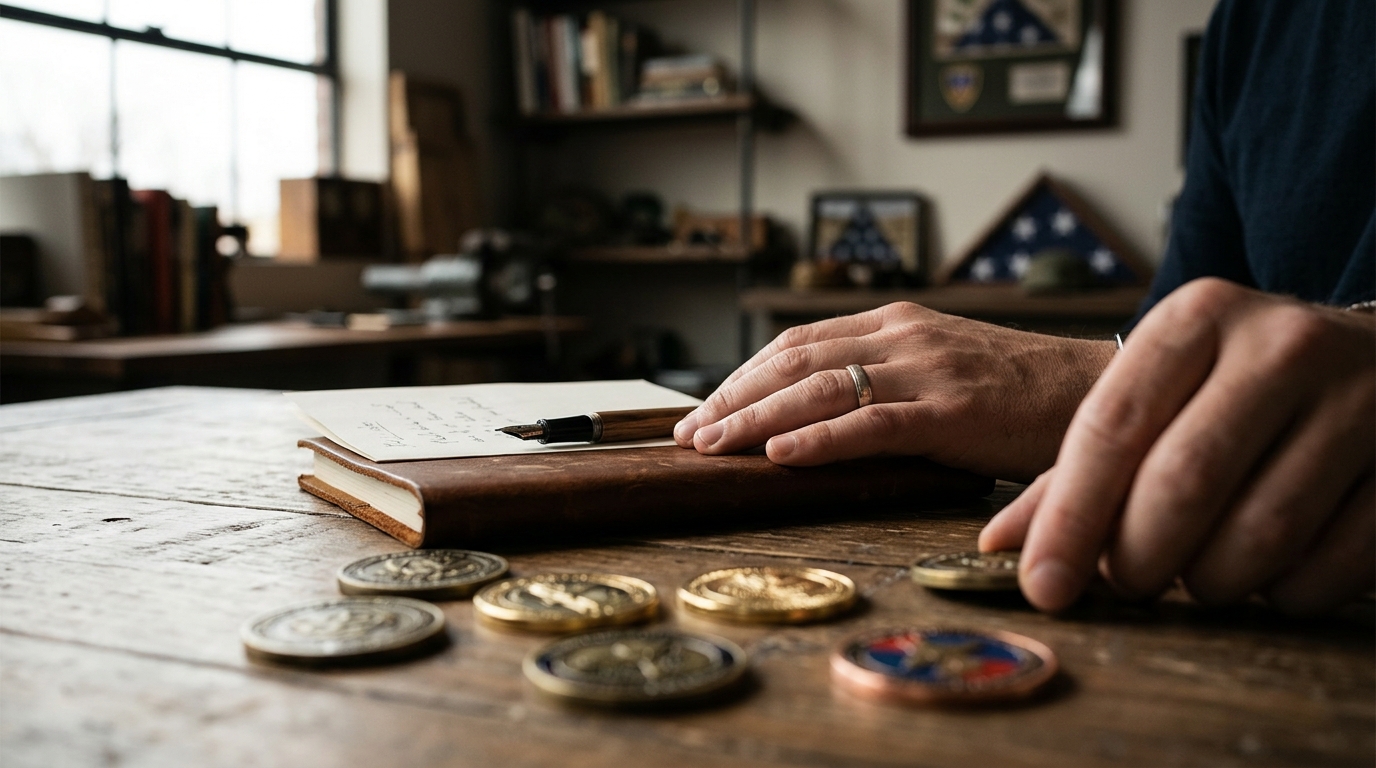
Soft enamel is a recessed finish where metal lines remain raised, while hard enamel is a glass-like finish that sits flush with the metal surface. The primary difference lies in texture, durability, and visual depth. Soft enamel allows for more vibrant color saturation in recessed areas, whereas hard enamel offers a smooth, jewelry-like appearance that is highly resistant to scratching. Choosing the right finish depends on your design complexity and the intended use of the coin.
Texture and Visual Depth
The most immediate difference between the two finishes is tactile. Soft enamel is a process where colored enamel is applied into recessed areas of the coin, leaving the metal lines raised. This creates a distinct topography that you can feel with your fingertips. The raised metal lines act as barriers, keeping the colors separated and preventing them from bleeding into one another. This texture adds a layer of physical engagement to the coin, making it feel substantial and crafted.
Hard enamel, by contrast, is a high-temperature fired process that results in a surface flush with the metal. The enamel is polished until it is perfectly smooth, resembling glass or ceramic. There are no raised lines to feel; the entire surface is uniform. This smoothness gives the coin a premium, jewelry-like quality. It is often preferred for high-end awards or executive gifts where a sleek, modern aesthetic is desired. The visual impact is cleaner, but it lacks the tactile dimension of its soft counterpart.
Durability and Longevity
Durability is a critical factor when selecting a finish for coins that will be handled frequently. Hard enamel is significantly more durable than soft enamel. Because the surface is flush and glass-like, it is highly resistant to chipping, scratching, and fading. The high-temperature firing process bonds the enamel to the metal, creating a surface that can withstand years of daily use without significant wear. This makes hard enamel ideal for coins that serve as daily carry items or long-term keepsakes.
Soft enamel is less durable due to its recessed nature. The enamel sits below the metal surface, making it more susceptible to chipping if the coin is dropped or subjected to heavy impact. Over time, the recessed areas can accumulate dirt or wear down, altering the visual appearance. However, soft enamel is still a robust finish suitable for most promotional and commemorative uses. For coins that will be stored in display cases or handled occasionally, soft enamel provides a durable and cost-effective solution. At Custom Challenge Coins, we help clients evaluate durability needs based on their specific usage scenarios.
Design Complexity and Color
The choice between soft and hard enamel also impacts design complexity. Soft enamel is generally more forgiving for complex designs with fine details. The raised metal lines provide structural support for intricate patterns, allowing for a wider range of color combinations without the risk of colors mixing. This makes soft enamel a popular choice for designs featuring detailed emblems, text, or multiple color gradients. The metal lines act as a frame, ensuring that each color remains distinct and vibrant.
Hard enamel requires a simpler design approach. Because the surface is flush, fine details can be difficult to achieve without the risk of the enamel cracking or the design becoming illegible. Large, solid color areas work best with hard enamel, as they provide the structural integrity needed for the glass-like finish. If your design features intricate line work or small text, soft enamel is often the better choice. For bold, minimalist designs with large color fields, hard enamel can produce a stunning, high-end result. Our design team at Coin Gallery can review your artwork to recommend the best finish for your specific design elements.
Cost and Production Considerations
Cost is a practical consideration that often influences the final decision. Soft enamel is typically less expensive than hard enamel. The production process for soft enamel is less labor-intensive and requires lower temperatures, which reduces manufacturing costs. This makes soft enamel a budget-friendly option for large orders or organizations with limited budgets. The lower cost per unit allows for more coins to be produced within the same budget, maximizing reach and impact.
Hard enamel commands a higher price due to its complex production process. The high-temperature firing and polishing steps require more time and skill, which increases the cost per coin. However, the premium price reflects the superior durability and aesthetic quality of the finish. For high-value awards or limited-edition collectibles, the additional cost of hard enamel is often justified by the perceived value of the coin. When planning your budget, consider the total number of coins needed and the desired finish. Custom Challenge Coin Pricing varies based on quantity and finish, so it is important to get an accurate quote for your specific project.
Making the Right Choice
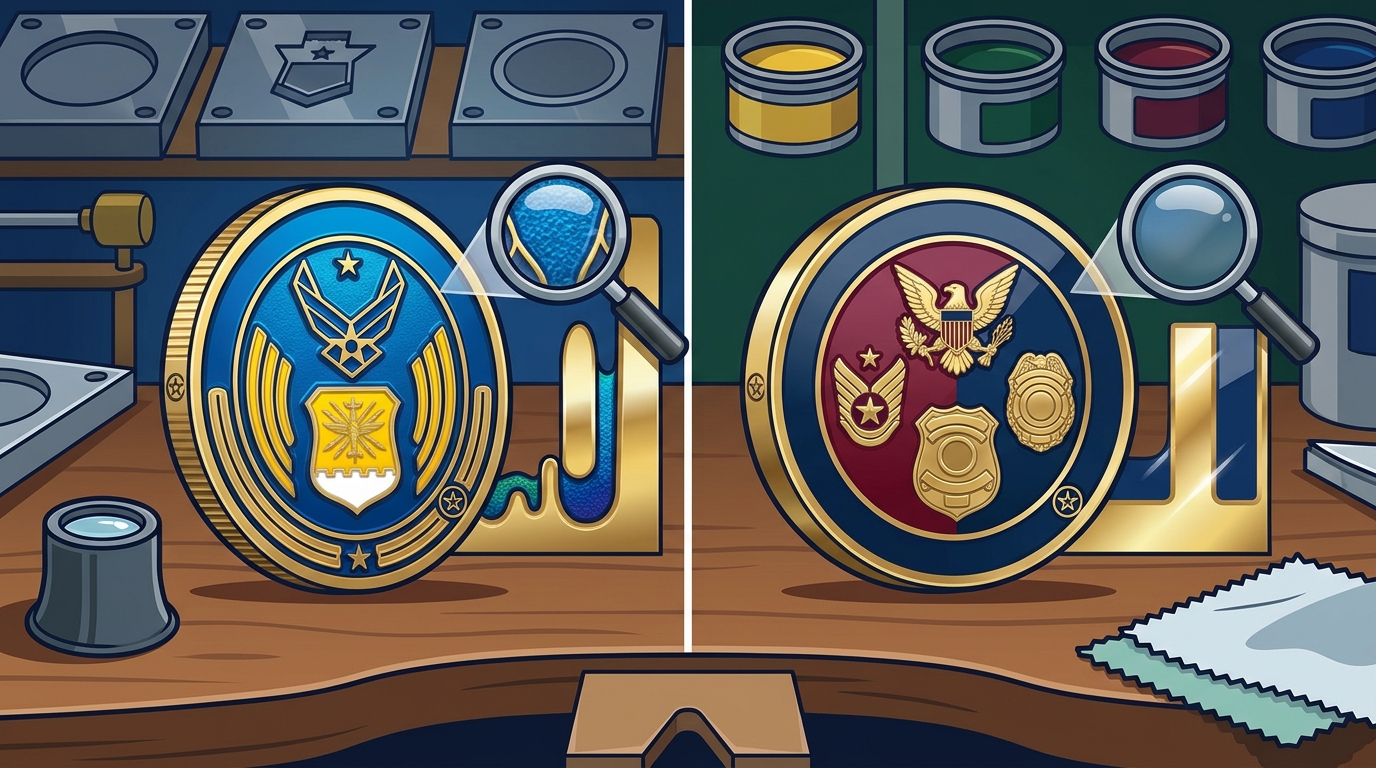
Selecting the right enamel finish requires balancing aesthetics, durability, and budget. Soft enamel is the best choice for detailed designs, vibrant colors, and cost-effective production. It offers a tactile experience and is suitable for most promotional and commemorative applications. Hard enamel is the best choice for premium, durable coins with a sleek, modern appearance. It is ideal for high-end awards, executive gifts, and collectibles where longevity and a glass-like finish are priorities.
Consider the context in which the coin will be used. If the coin will be handled daily, hard enamel may be the better investment. If the coin will be displayed or handled occasionally, soft enamel provides excellent value. At Custom Challenge Coins, we work with you to determine the best finish for your specific needs. Our team can provide samples and digital proofs to help you visualize the final product before production begins. By understanding the differences between soft and hard enamel, you can make an informed decision that ensures your coin meets your expectations.
Key Takeaways
- Soft enamel features raised metal lines and recessed color, creating a textured, tactile surface.
- Hard enamel is a flush, glass-like finish that is smooth to the touch and highly durable.
- Soft enamel is better suited for complex designs with fine details and multiple colors.
- Hard enamel is ideal for bold, minimalist designs with large, solid color areas.
- Hard enamel is more resistant to chipping and scratching than soft enamel.
- Soft enamel is generally less expensive than hard enamel, making it a budget-friendly option.
- The choice of finish should align with the coin's intended use, durability requirements, and budget.
Frequently Asked Questions
Is hard enamel more expensive than soft enamel?
Yes, hard enamel is typically more expensive than soft enamel. The production process for hard enamel involves high-temperature firing and polishing, which requires more time and skill. This results in a higher cost per coin compared to soft enamel.
Can I use multiple colors with hard enamel?
Yes, you can use multiple colors with hard enamel. However, the design should avoid fine details and small text, as these can be difficult to achieve with a flush finish. Large, solid color areas work best for hard enamel.
Which finish is more durable?
Hard enamel is more durable than soft enamel. The glass-like surface is resistant to chipping, scratching, and fading, making it ideal for coins that will be handled frequently.
Can I feel the difference between soft and hard enamel?
Yes, you can feel the difference. Soft enamel has raised metal lines that create a textured surface, while hard enamel is smooth and flush with the metal.
What is the best finish for a detailed logo?
Soft enamel is generally the best finish for detailed logos. The raised metal lines provide structural support for intricate patterns and fine details, ensuring that the design remains legible and vibrant.
Do you offer samples of both finishes?
Yes, we can provide samples of both soft and hard enamel finishes. This allows you to compare the texture, color, and durability of each option before placing your order. Contact our team to request samples.
Conclusion
Understanding the difference between soft and hard enamel is essential for creating a custom challenge coin that meets your aesthetic and functional goals. Soft enamel offers a textured, vibrant finish that is ideal for detailed designs and budget-conscious projects. Hard enamel provides a smooth, durable, and premium appearance that is perfect for high-end awards and collectibles. By considering factors such as design complexity, durability, and cost, you can select the finish that best suits your needs. At Custom Challenge Coins, we are committed to helping you make the right choice. Our team of experts will guide you through the process, from design to production, ensuring that your coin is a lasting symbol of achievement and recognition. To start your project, request a free quote today.